

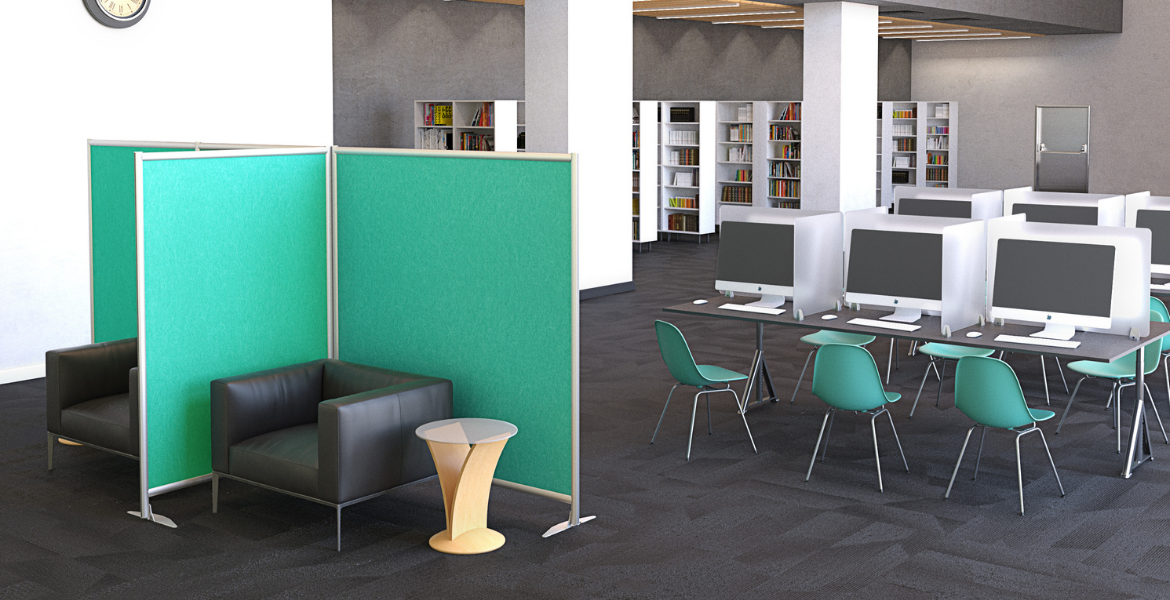
Libraries have always been associated with quiet, but the modern library is about much more than silence. Today’s libraries are dynamic environments where people study, collaborate, attend events, use technology, meet with others, and spend time independently. As library spaces continue to evolve, creating an environment that supports all of these activities requires thoughtful acoustic design.
From open reading areas and computer stations to meeting rooms and community spaces, managing sound has become an important part of creating a comfortable and functional library. With the right acoustic solutions for libraries, designers and library managers can help reduce unwanted noise, improve speech clarity, and create spaces that accommodate different activities without compromising the overall experience.
The Modern Library Is More Than a Quiet Space
Traditional libraries were often designed around the concept of maintaining a consistently quiet environment. While quiet areas are still essential, libraries now serve a much broader purpose. Many modern libraries include collaborative workspaces, technology areas, children’s sections, meeting rooms, cafés, presentation spaces, and community gathering areas. Each of these spaces has different acoustic requirements.
A group working together needs to be able to communicate comfortably, while someone studying nearby may need a quieter environment. A presentation or community event requires clear speech, while a children’s area naturally generates more activity and sound.
This creates a unique challenge: How can one building support different sound environments at the same time? Thoughtful library acoustic design can help provide the answer.
Why Acoustics Matter in Libraries
Uncontrolled sound can quickly travel throughout a library. Conversations, footsteps, equipment, phone calls, and other everyday sounds can create distractions and make it difficult for visitors to concentrate.
Excessive reverberation can make the problem even more noticeable. When sound reflects off hard surfaces such as walls, floors, ceilings, and glass, it can linger in a room and create an echo-like effect. This can make conversations harder to understand and contribute to an uncomfortable environment.
Effective sound absorption for libraries helps control these reflections. By strategically incorporating acoustic products into the space, libraries can create more balanced sound environments while maintaining the aesthetic and functionality of the facility.
The goal isn’t necessarily to make every area completely silent. Instead, effective acoustics help ensure that sound is appropriate for the activity taking place in each space.
Creating Dedicated Quiet Study Spaces
Quiet study areas are one of the most important features of many modern libraries. Students, professionals, and community members often visit libraries specifically because they need a place where they can focus.
However, simply labeling an area “quiet” doesn’t necessarily make it quiet.
Acoustic desk dividers for libraries can help absorb unwanted sound and reduce reverberation within study areas. This allows libraries to offer both focused individual spaces and collaborative environments without forcing visitors to choose between functionality and comfort.
Supporting Collaboration Without Creating Distractions
Collaboration has become an increasingly important part of the modern library experience. Meeting rooms, group study tables, technology spaces, and flexible work areas allow visitors to work together and connect with their communities.
But collaborative spaces naturally produce more conversation.
Rather than eliminating these activities, libraries can use acoustic zoning to help contain sound. Acoustic room dividers, such as our EchoDeco® Villa Wall™ can create visual and acoustic boundaries between different areas without taking up valuable space.
For example, a collaborative workspace can be positioned near other active areas, while quieter study zones are separated through a combination of layout, furniture, and acoustic products.
This approach allows libraries to support multiple activities within the same footprint while creating a more comfortable experience for everyone.
Improving Speech Clarity in Meeting and Community Spaces
Libraries frequently host presentations, workshops, classes, lectures, community meetings, and other events. In these environments, speech clarity is especially important.
Excessive reverberation can make it difficult for attendees to understand a speaker, particularly in larger rooms or spaces with numerous hard surfaces. Incorporating acoustic baffles for meeting rooms, auditoriums, and community spaces can help manage sound reflections and improve the overall listening environment. Ceiling baffles can also contribute to a more polished and professional experience for events hosted within the library.
When visitors can clearly hear and understand what is being presented, the space becomes more effective for learning, communication, and community engagement.
Combining Acoustic Performance With Modern Design
Acoustic solutions don’t have to look industrial or out of place. Modern library interior design increasingly focuses on creating welcoming, flexible, and visually engaging environments, and acoustic products can contribute to that design.
MergeWorks’ products are available in a variety of forms, shapes, and colors, allowing you to incorporate sound management into the overall visual concept of a space. This makes it possible to create a library that feels intentional from both a functional and aesthetic perspective.
Designing Libraries for the Future
As libraries continue to evolve, flexibility will remain an important consideration. Spaces may need to accommodate individual study in the morning, collaborative work in the afternoon, and a community event in the evening.
By incorporating library sound management into the overall design strategy, architects, designers, and facility managers can create environments that are better equipped to adapt to changing needs.
The result is a library that doesn’t simply provide a place to access information. It provides a comfortable and functional environment where people can learn, work, collaborate, communicate, and connect.
Creating Better Library Experiences Through Acoustics
Libraries should be designed around the people who use it. While aesthetics, furniture, technology, and accessibility all play important roles, acoustics are an equally valuable part of the experience. At MergeWorks, acoustic solutions can help libraries balance the many different ways their spaces are being used today. By bringing together functionality, flexibility, and thoughtful design, libraries can create environments that work better for everyone who walks through their doors. Ready to enhance your library? Contact us today and take your space to the next level.


